
The Sportswear Reset
Sportswear entered 2026 with an unusual combination of signals. Several of its largest public companies were trading far below previous highs, while some smaller competitors were reporting double-digit growth. Footwear demand in the US was almost flat overall, yet running continued to expand rapidly. Direct-to-consumer strategies were being reassessed at some brands and accelerated at others.
The result by autumn 2026 is a sector with considerable underlying demand and increasingly different outcomes between companies.
Public markets have repriced several industry leaders
Nike is the clearest example. Its shares have fallen roughly three-quarters from their 2021 peak, erasing more than $200bn of market value. In September, the company was removed from the S&P 100 after 18 years. Its fiscal 2026 revenue of $46.4bn was broadly flat in reported terms and 2% lower on a currency-neutral basis.
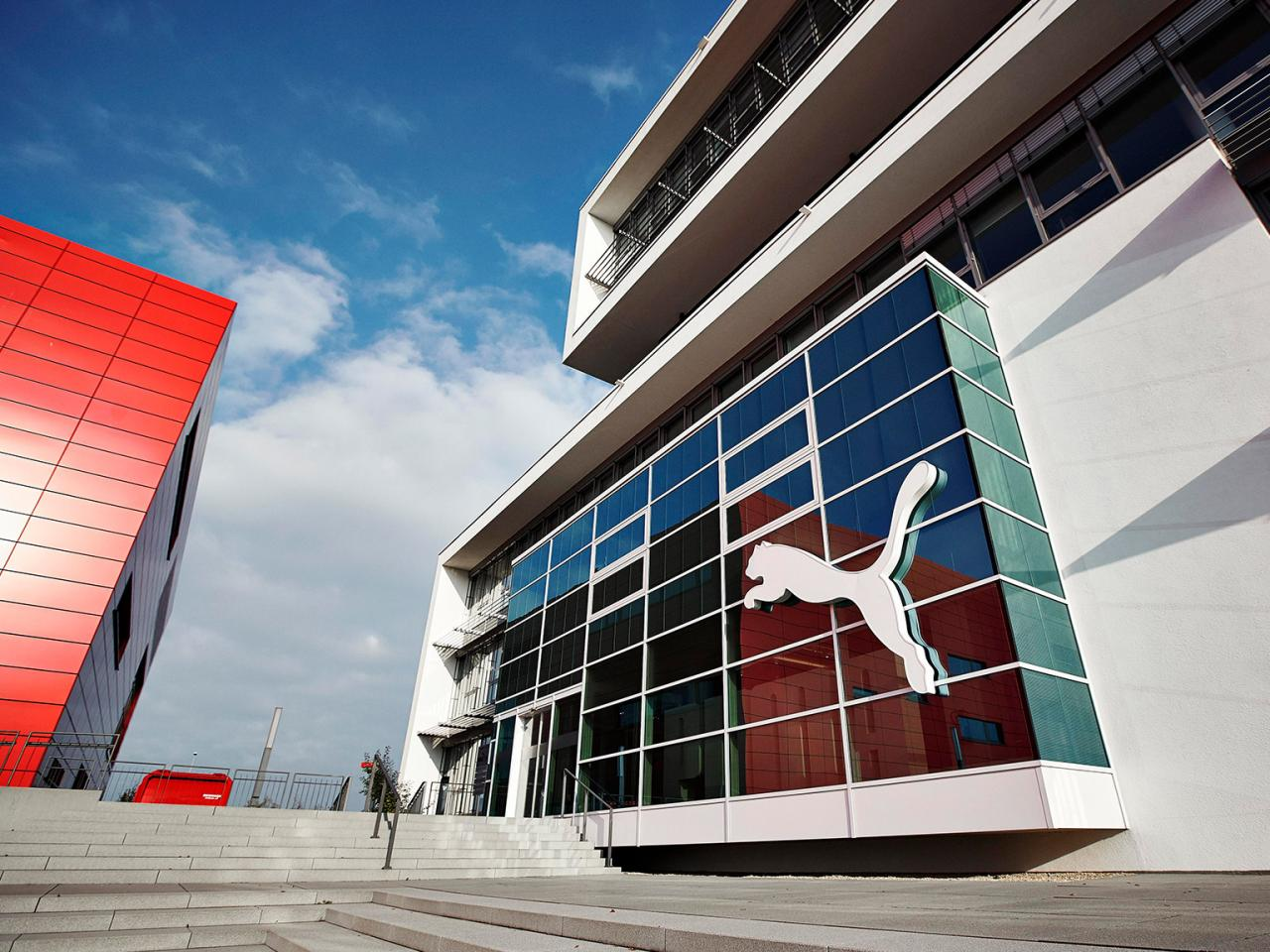
Puma has undergone a similar valuation reset. Reuters reported in February that its shares had fallen about 73% over five years. The company recorded an operating loss of €357m in 2025 and designated 2026 as a transition year. Second-quarter currency-adjusted sales subsequently declined another 9.4% to €1.69bn, although gross margin recovered and inventories fell 15%.
Lululemon has joined that group more recently. Second-quarter revenue declined 4% to $2.4bn, comparable sales fell 9%, and management reduced its full-year outlook to a 5–7% revenue decline. By early September, the shares were more than 50% below their 52-week high.
Share-price performance captures expectations rather than operating performance alone. Interest rates, valuation multiples and previous investor assumptions all affect the comparison. The scale of the repricing nevertheless shows how much confidence in several established growth models has changed.
Revenue growth has become highly uneven
The operating picture is more fragmented than the share prices suggest.
adidas recorded €6.74bn of second-quarter sales, its highest quarterly revenue to date, with currency-neutral growth of 14%. Its performance business grew 39%, driven particularly by football and running, while DTC revenue increased 25%. Gross margin reached 52.5%.
On reported CHF850m of Q2 sales, up 21.6% in constant currencies. HOKA grew 7.7% in Deckers’ first fiscal quarter to $704m. Against those results, Nike’s full-year currency-neutral revenue contracted 2%, Puma’s Q2 sales fell 9.4%, and lululemon reported a 5% constant-dollar decline.
The periods and currencies differ, so the figures should not be treated as a precise league table. They describe the same broader pattern: category growth is currently distributed very unevenly.
That dispersion has been developing for several years. McKinsey and Euromonitor estimate that Nike and adidas together accounted for 27% of the global sporting-goods market in 2019 and 24% by 2024. The remaining market gained those three percentage points, supported by specialists including On, HOKA and Arc’teryx as well as other established players. adidas’ current recovery also shows that market-share shifts are not necessarily permanent.
The consumer is becoming more selective
US footwear data provides a useful view beneath the company results.
Circana estimates total footwear dollar sales grew just 1% in the first half of 2026. Unit volumes declined, with higher average selling prices supporting revenue. Performance footwear moved in the opposite direction: sales increased 6% and unit demand also rose. Running footwear grew 13% in both dollars and units. Sport-lifestyle footwear declined overall.
This creates an important distinction between weak discretionary spending and weak interest in sport.
Consumers continue to spend in areas where they perceive a clear functional purpose. Running, cross-training and several activity-specific categories are growing despite subdued overall footwear volumes. Comfort and versatility are also influencing purchasing decisions.
The behaviour extends beyond transactions. McKinsey’s survey of more than 1,800 active consumers found that 48% described an active lifestyle as a core part of their identity, rising to 55% among Millennials and Gen Z. Half of younger respondents also said their fitness routine involved several sports.
For brands, performance credibility therefore carries both functional and cultural value. Running shoes can sit simultaneously inside sport, health, fashion and everyday use.
Distribution strategies are being recalibrated
For much of the previous decade, large sportswear companies invested heavily in direct-to-consumer distribution. Own stores and e-commerce offered access to customer data, greater control over presentation and the potential to capture retail margin.
The 2026 results show several different versions of that model.
Nike generated $17.7bn through Direct in fiscal 2026, down 6% reported and 8% currency-neutral. Wholesale moved in the opposite direction, rising 6% to $27.5bn. In Q4 alone, Nike Direct fell 7% while wholesale increased 4%. Nike is rebuilding relationships with retail partners alongside its wider product reset.
Puma’s challenge is different. Its Q2 wholesale revenue fell 14% as the company deliberately reduced undesirable distribution while weaker demand from retail partners also weighed on sales. Inventory declined 15.3% as part of the ongoing clean-up.
On is currently benefiting from a much stronger DTC trajectory. Second-quarter DTC sales increased 26% reported and represented 45.7% of revenue. The company simultaneously grew wholesale sales by 4.8%. adidas also recorded strong growth across both channels, with H1 DTC up 23% and wholesale up 7%.
DTC share alone therefore says relatively little about brand health. Sell-through, full-price sales, inventory levels and the productivity of each channel provide more useful context.
Performance is carrying more of the growth
Running sits near the centre of the current competitive shift.
HOKA built much of its scale around technical running before broadening into everyday use. On continues to position performance technology alongside premium design and fashion. adidas’ fastest-growing performance categories in 2026 include running alongside football. Nike, meanwhile, is rebuilding its product portfolio after several years in which lifestyle franchises carried a large share of commercial attention.
The economics differ substantially between brands. On’s Q2 gross margin reached 65.4%, up from 61.5%, alongside 21.6% constant-currency growth. adidas generated 52.5%. Puma reached 48.0% while still reporting an operating loss for the quarter. Nike’s full-year gross margin was 42.9%, although its Q4 figure was materially affected by US tariff recoveries and therefore provides a poor basis for underlying comparison.
These margins reflect different product mixes, supply chains, geographic exposure and accounting effects. They also illustrate the value of maintaining premium pricing and limiting promotional inventory when consumer demand supports it.
The market itself still has room to expand
The wider sporting-goods market remains on a positive long-term trajectory. McKinsey, using Euromonitor data, projects global industry growth of around 6% annually between 2024 and 2029. The forecast includes sporting goods beyond apparel and footwear, so it should be treated as broader industry context rather than a sportswear-specific forecast.
At the same time, the composition of that growth is changing. McKinsey’s research identified specialist propositions, visible product innovation, cultural relevance and selective retail distribution as common characteristics among challenger brands that gained share during the previous five years.
By autumn 2026, those dynamics are visible in company accounts. adidas has regained considerable momentum. On and HOKA continue to expand from specialist performance positions. Nike is rebuilding its marketplace and product portfolio. Puma is reducing inventory and distribution exposure. Lululemon is entering a new leadership period after weakening sales in its core Americas business.
The sportswear market therefore enters the final months of 2026 with growth still available, but with a wider range of financial outcomes than its largest brands experienced during much of the previous decade. Performance categories are capturing disproportionate consumer demand, channel strategies are becoming more flexible, and market share is moving between both incumbents and specialists.
Competitive advantage increasingly depends on how effectively brands connect product, positioning, pricing and distribution as those conditions evolve.
Sources
Nike | Fiscal 2026 Fourth Quarter and Full Year Results
Deckers Brands | Q1 FY2027 Results
McKinsey & WFSGI | Sporting Goods 2025 — The New Balancing Act
Reuters | Puma expects another annual loss; cancels dividend in turnaround drive
Reuters | lululemon cuts outlook again, highlighting to-do list for new CEO